
Protecting Natural Resources and Preserving Biodiversity: A Core Priority of Modern Environmental Policy
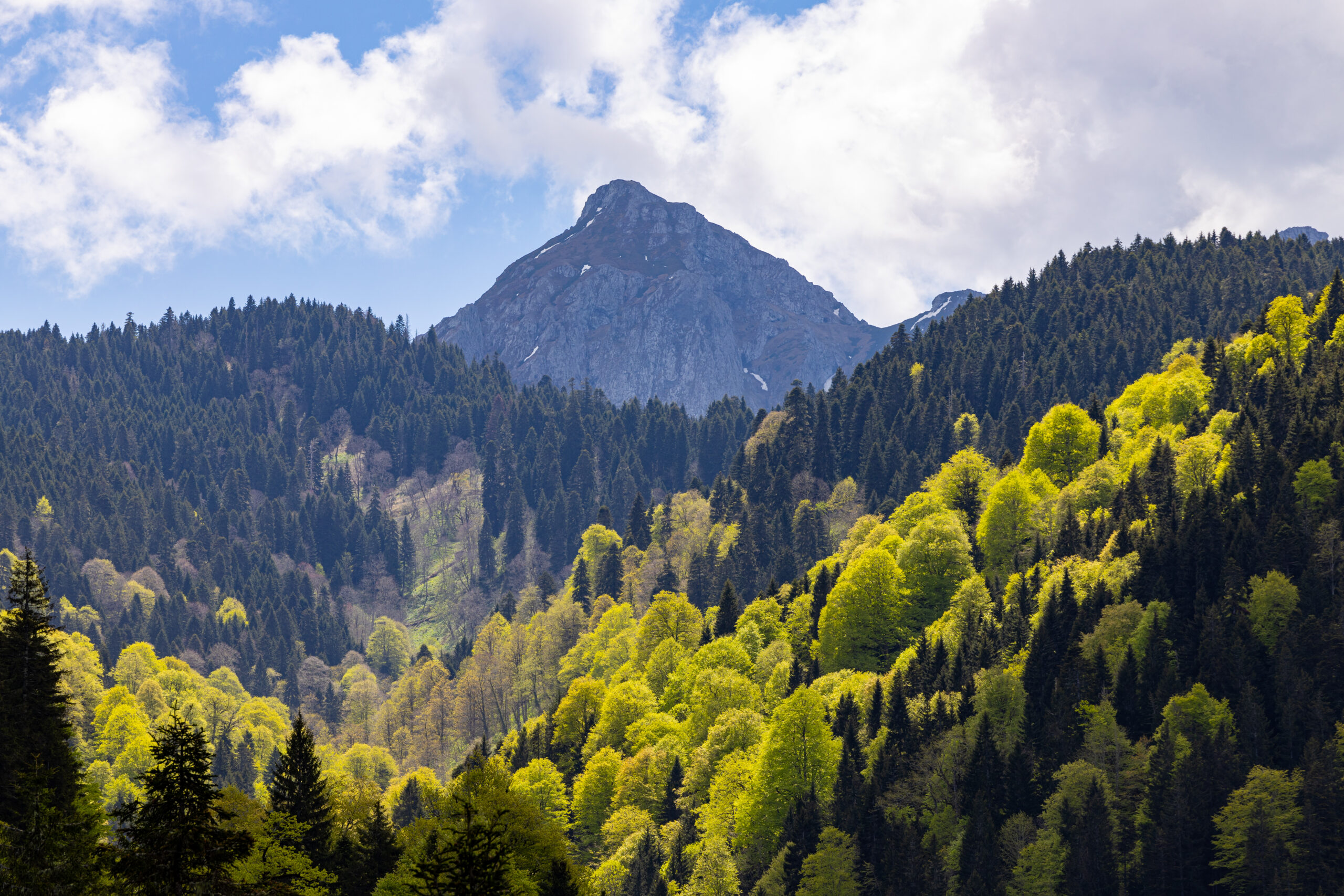
The protection of natural resources and preservation of biodiversity are among the most important priorities on today’s global environmental agenda. In this context, restoring the populations of endangered animal species holds special significance.
The Caucasian red deer, the South Caucasian subspecies of chamois, and the Caspian snowcock are among the species that still survive in small numbers across various regions of Georgia including the Sairme area. With its rich ecological resources and diverse natural landscapes, Sairme provides an ideal setting for the protection and recovery of these vulnerable species.
Following the approval of the historic project and the establishment of the Sairme Recreational Farm, new opportunities have emerged to advance this mission. Responsibility for protecting the 13,000-hectare territory now lies with the licensed investor, who is carrying out the work according to an approved conservation plan. Creating a safe and stable environment is the top priority a key factor that will, for example, enable the return of the Caucasian red deer to the Sairme region.
According to the head of the National Wildlife Agency under the Ministry of Environmental Protection and Agriculture of Georgia, there are currently only around 1,000 Caucasian red deer left in the country an alarmingly low number. The species’ DNA is completely distinct from that of European deer, meaning that reintroduction efforts can only source individuals from within the Caucasus region, and only with verified DNA analysis and official state approval.
Another approach involves creating the right protected and controlled environment within the Sairme territory itself. To achieve this, poaching must be eliminated, predator populations carefully managed, and a protected area of no less than 10,000 hectares must be clearly defined and continuously monitored. These measures will ensure the long-term stability of the ecosystem and the gradual restoration of endangered species populations in the region.
Revaz Bezhashvili, Head of the National Wildlife Agency at the Ministry of Environmental Protection and Agriculture of Georgia:
“The Caucasian red deer can currently be found in Borjomi–Kharagauli National Park, the Guria–Adjara range, Lagodekhi Nature Reserve, and the Gardabani Managed Reserve.
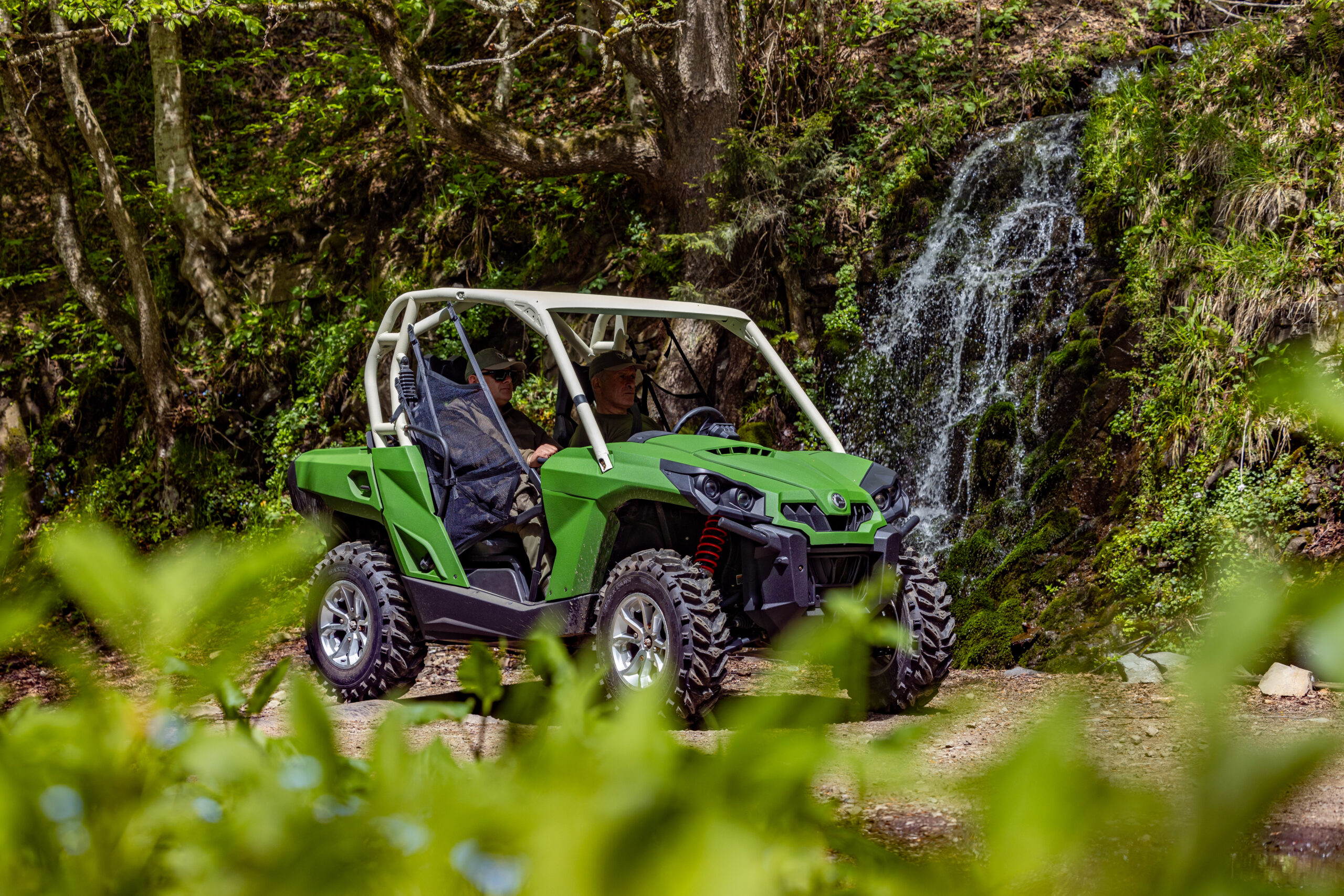
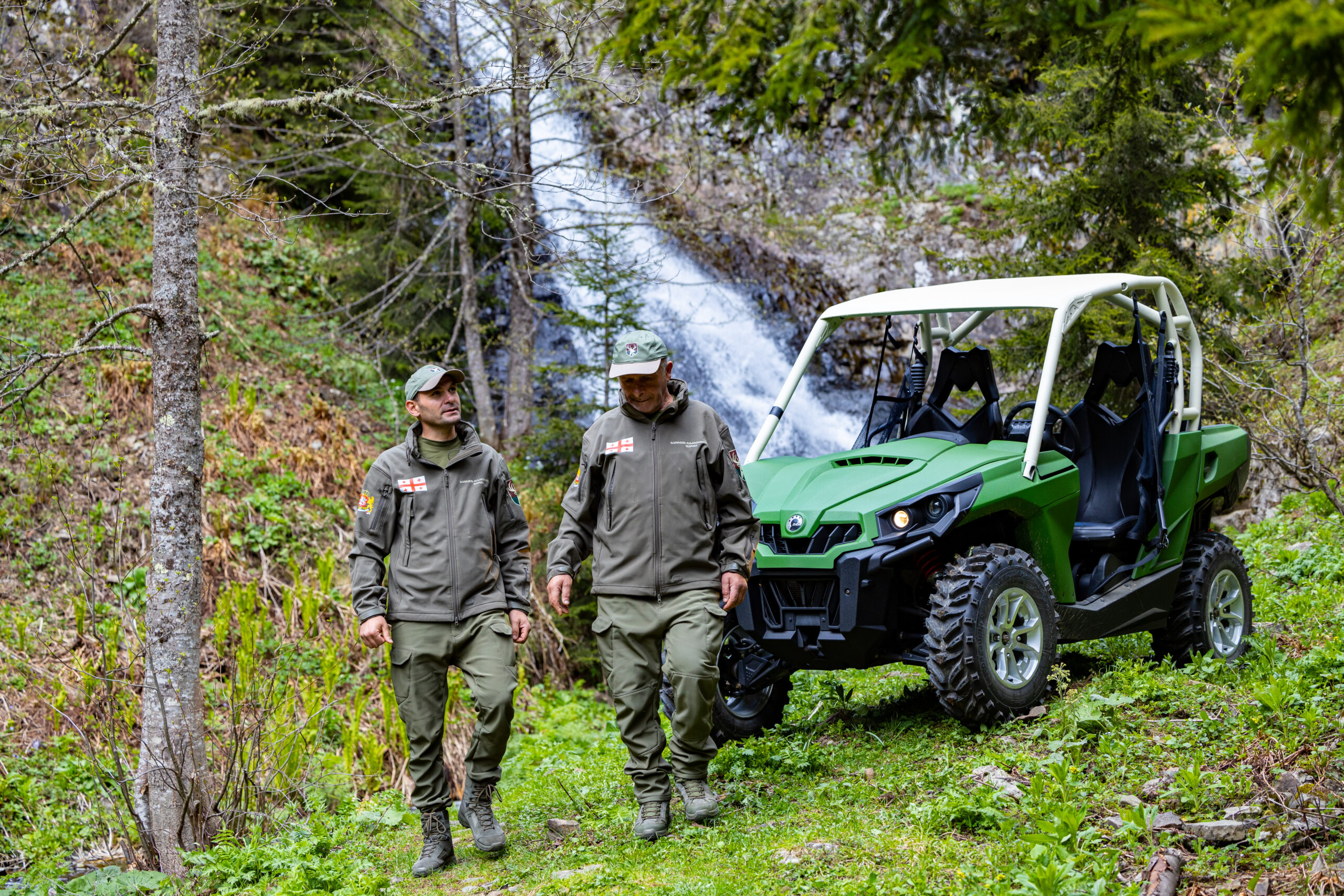
There have also been minor sightings in Sairme, where ongoing developments are quite promising. The area is now under protection, equipped with off-road vehicles for monitoring, camera traps, and drones. If the forest remains protected, the red deer will naturally return to Sairme.
Regarding the possibilities for deer repopulation, first of all, the existing population near Abastumani is quite close. If Sairme provides a safe environment, the deer will migrate naturally. It’s an organic process, a fawn stays where it’s born, and that place becomes its home.
The third option is importing deer from other countries, but only with DNA verification to ensure genetic compatibility. This method has advantages, interbreeding individuals from different herds helps refresh the gene pool, which would be beneficial not only for Sairme but for the entire Borjomi–Kharagauli ecosystem as well.
To obtain the right to source animals, the breeding facility must be properly equipped and meet all necessary environmental and safety standards. It requires a large, fenced, and monitored area, equipped with a supervision system. Each animal released from the farm into open territory will wear a special GPS collar, allowing for continuous tracking and monitoring.
It is also noteworthy that research work is already underway as part of the Sairme Recreational Farm project. Soon, salt licks will be installed throughout the forest to encourage deer to stay and adapt to the area.
In terms of security, six rangers and one specialist are currently employed on-site. Additionally, ten camera traps have already been installed, with plans to increase their number gradually, following expert recommendations, and distribute them across key locations.
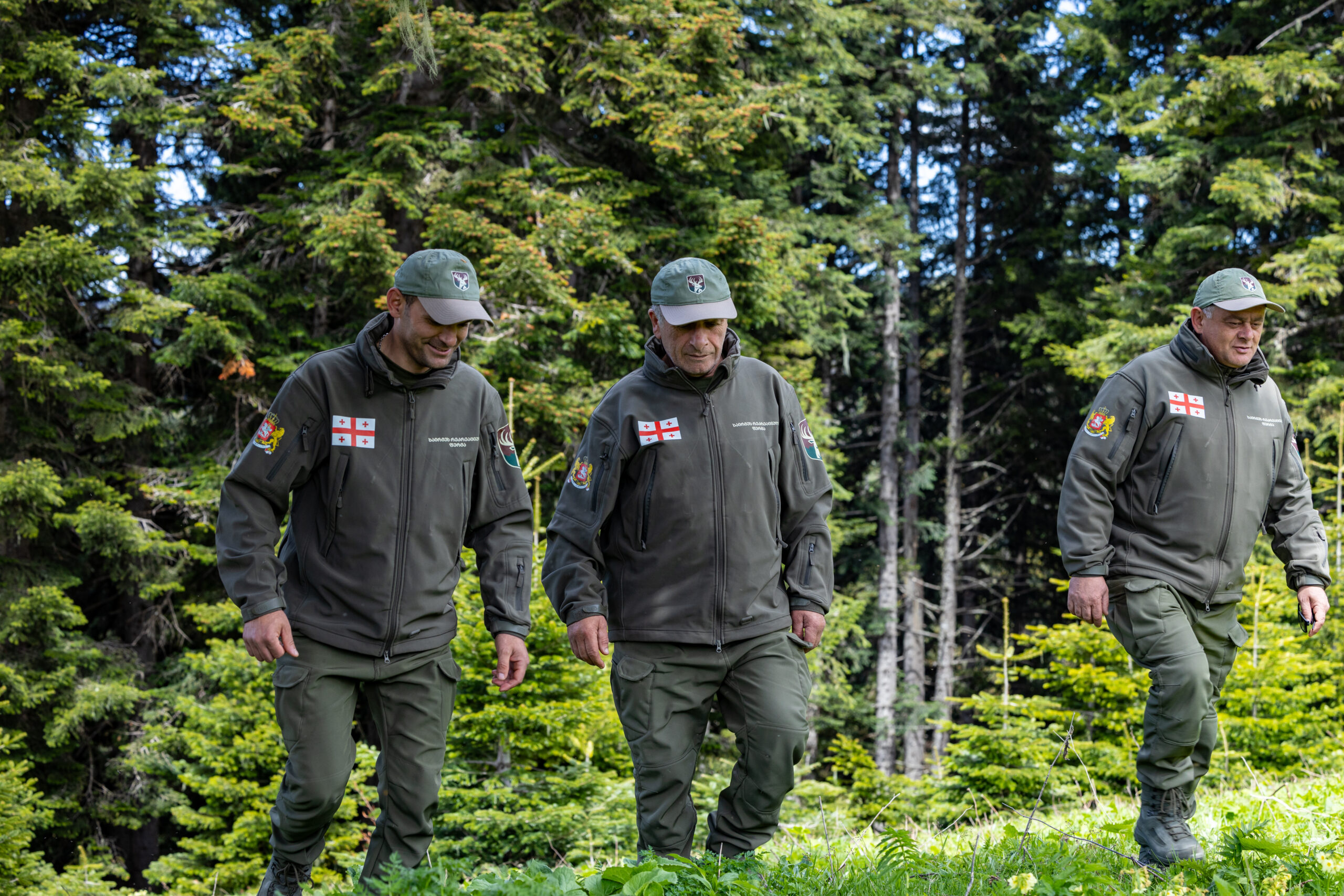
“Sairme, known as a therapeutic and resort area, offers an ideal environment for deer thanks to its humid climate and forest-covered landscapes. The region provides abundant food resources, sufficient water supply, and a relatively protected habitat, all essential factors for the successful reproduction of deer populations,” said Revaz Bezhashvili, Head of the National Wildlife Agency.
“Given Georgia’s terrain, the country should ideally host no fewer than 60,000 to 70,000 Caucasian red deer. When the current population barely exceeds 1,000 individuals, it means the species is on the verge of collapse.”
As part of the Sairme Recreational Farm project, the camera traps installed in the area have also recorded another fascinating subspecies of chamois Rupicapra rupicapra asiatica, which is listed in Georgia’s Red Book of endangered species.
There are two known subspecies of chamois in Georgia, and as experts explain, both require active conservation efforts to ensure their long-term survival.
As part of the project, field expeditions by experts are planned in the Sairme forest starting from the second half of May.
“We believe that the Caspian snowcock may also inhabit the rocky mountain areas within the farm’s territory. If confirmed, this would be a truly exciting discovery, as the species is also on the brink of extinction,” said Revaz Bezhashvili, Head of the National Wildlife Agency.
“One of the main reasons for its decline is unregulated grazing. For instance, when flocks of sheep graze in nesting areas, they often destroy the birds’ nests.
If wildlife disappears, domestic animals and humans will follow, removing even a single link from the natural chain leads to its collapse. I believe that the emergence of responsible wildlife farms can help halt this process and contribute to the survival and reproduction of endangered species.”
The return of endangered species, including the Caucasian red deer, to the Sairme ecosystem serves a broader purpose, restoring ecological balance and advancing sustainable development. Alongside its environmental goals, the large-scale project launched in Sairme will also support and promote eco-tourism in Georgia, ultimately contributing to the economic well-being of local communities.