
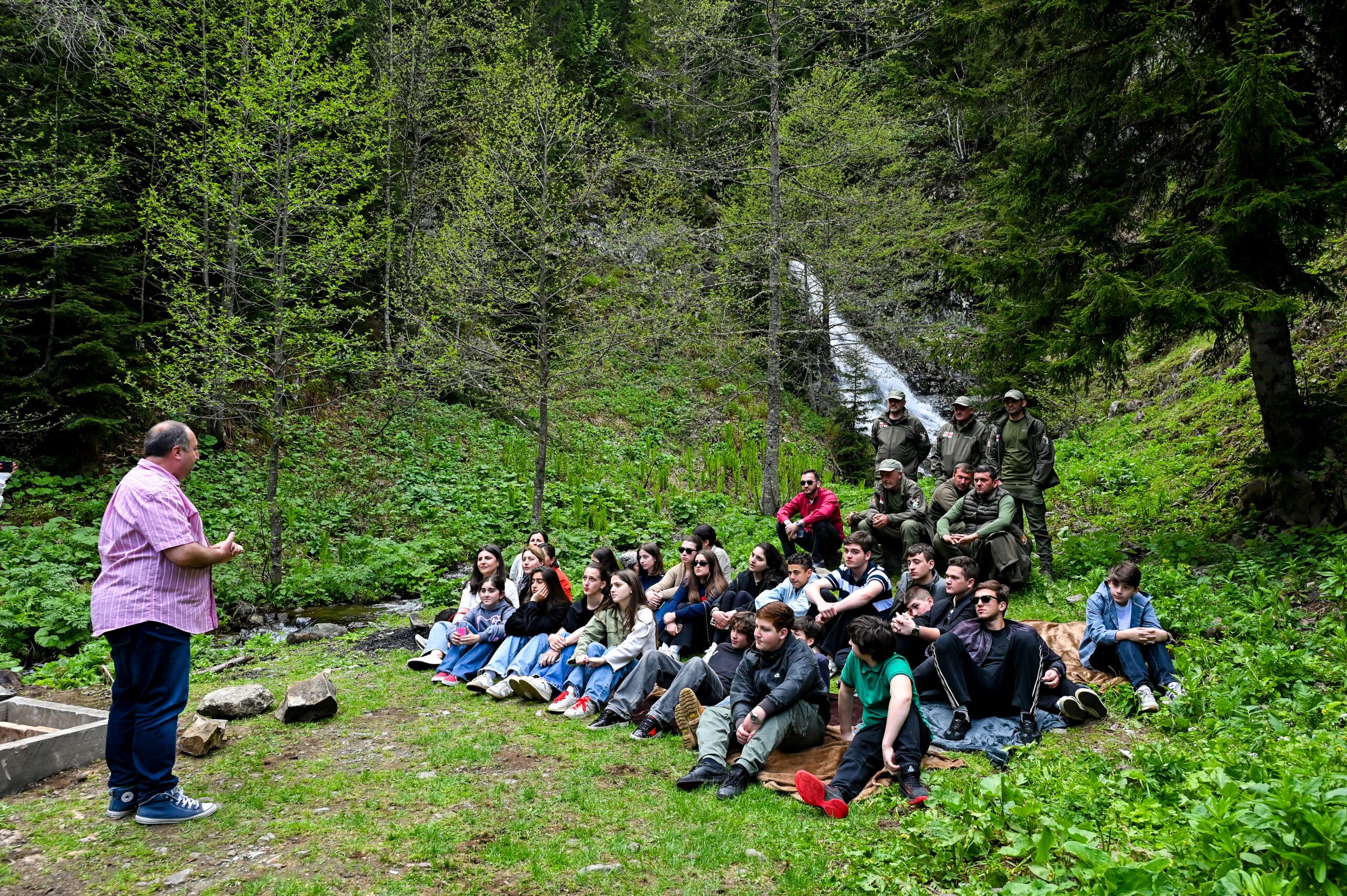
Located in the Imereti region and known for its rich biodiversity, Sairme recently welcomed students from Baghdati Municipality Public School No. 2, accompanied by their teachers.
A total of 35 middle and high school students took part in the visit, hosted by the Sairme Recreational Farm. During the tour, the students explored several designated sites including the Red Meadow, forest area, and waterfall. They learned about the region’s rare plant species and received detailed information about the recreational farm project and its ecological significance.
For the first time in history, the Sairme Recreational Farm will serve as a breeding ground for the Caucasian red deer and chamois. The investor also plans to support the repopulation of mountain trout in the rivers of Vani and Baghdati. Over the next five years, an investment of at least 4 million GEL will be made to implement the project.
Irakli Gorgodze, Director of Sairme Recreational Farm, stated:
“We were delighted to host school students on the territory of the Sairme Recreational Farm. Our goal was to share engaging information about our plans and the activities we’ve already carried out.
We want the local community, especially the younger generation, to understand all the long- and short-term benefits this historic project will bring. It’s not only about protecting and managing natural resources but also about creating jobs, fully realizing the potential of this unique area, and promoting tourism. Ultimately, all these efforts will help raise the region’s profile and strengthen its economy.”
The school was specifically chosen for the farm’s first educational tour. Public School No. 2 operates an eco-club that unites students from different grades who share a strong interest in ecology, unique flora and fauna, environmental risks, and conservation.
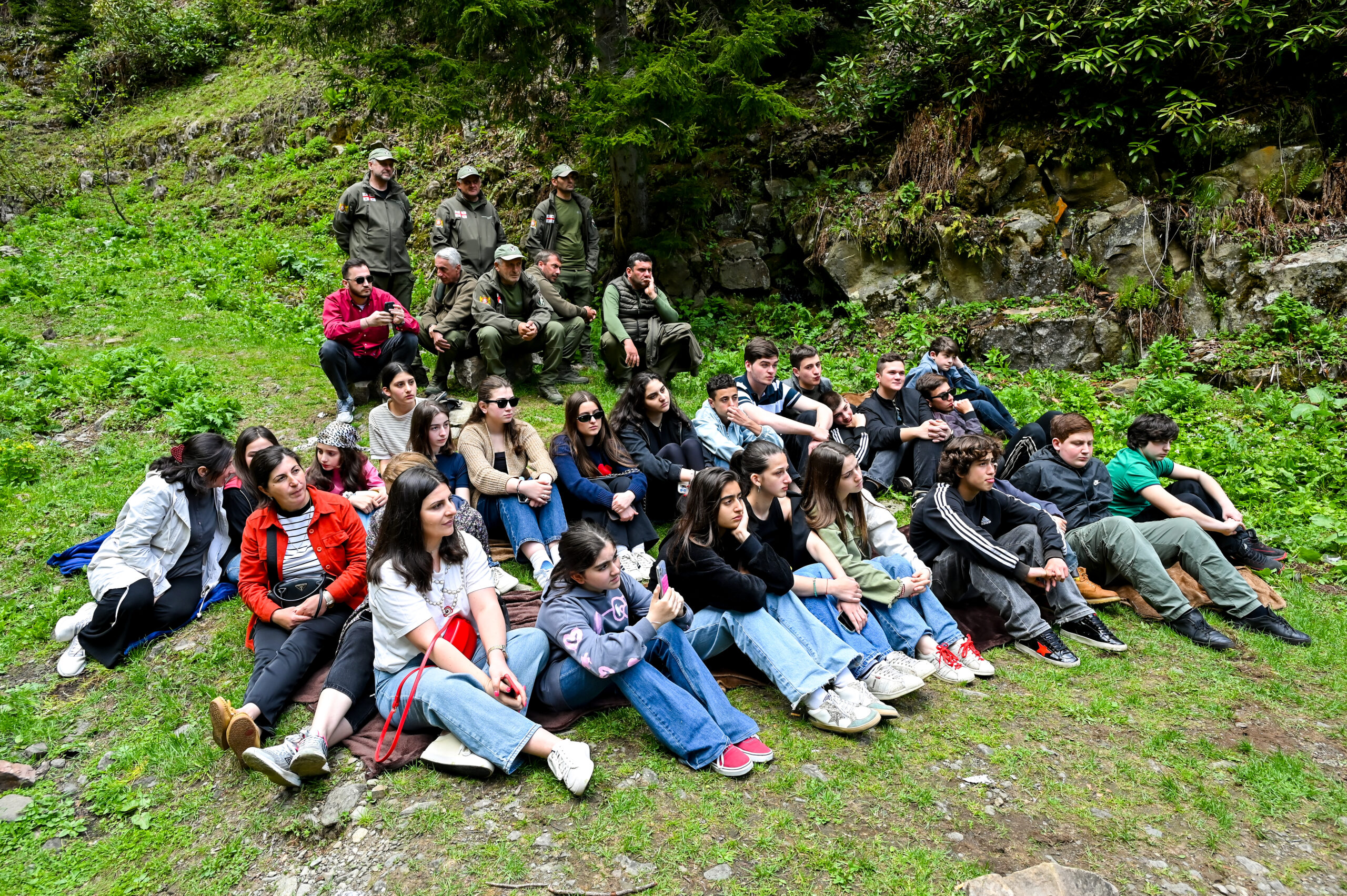
During the hike, the students were guided by the rangers of the Sairme Recreational Farm, who led them through the forest area and the Red Meadow. One of the main stops along the route was the waterfall, a site known for its beauty in every season of the year.
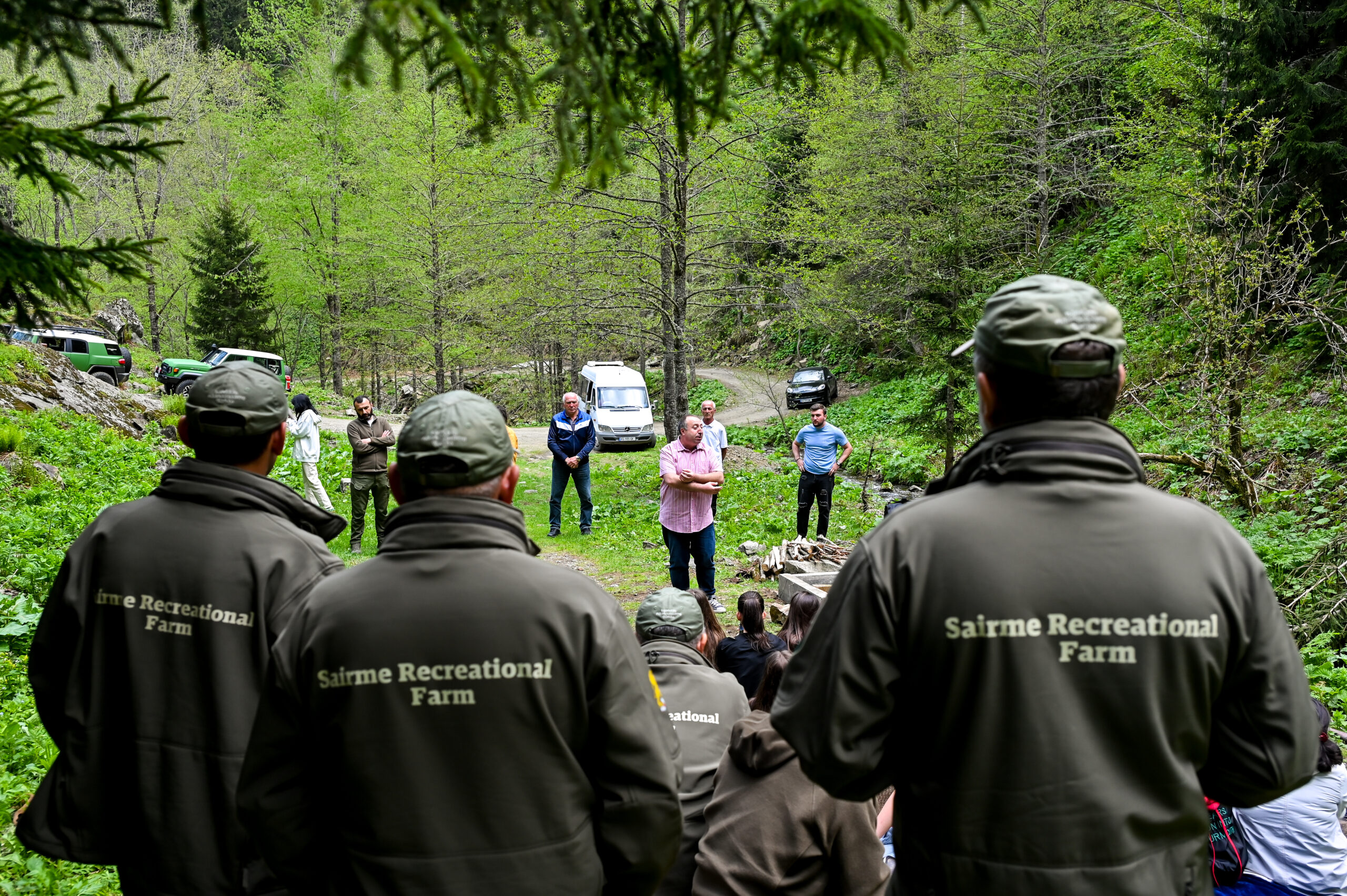
The visitors also received practical advice from professionals on safe hiking practices including how to determine direction, use a compass, manage waste responsibly, and ensure that campfires are never left unattended. The rangers shared fascinating insights about their daily work and responsibilities, giving the students a deeper understanding of nature protection and field operations.
The tour was led by Davit Liklikadze, who delivered a lecture to the students on the topic “Ecology and the Human Role in Ecosystem Preservation.”
The excursion was organized by the administration of the Sairme Recreational Farm. According to the outlined plan, similar tours will continue to be held for students from schools across the region. The program’s scope will later expand, allowing teenagers and young people from other municipalities to take part in these educational activities as well.
Meanwhile, construction and development work on the territory continues at a steady pace. In the near future, the 13,000-hectare area will feature hiking trails designed for both local and international tourists. Hiking maps will be introduced, and directional signs will be placed to ensure safe and engaging movement for visitors.
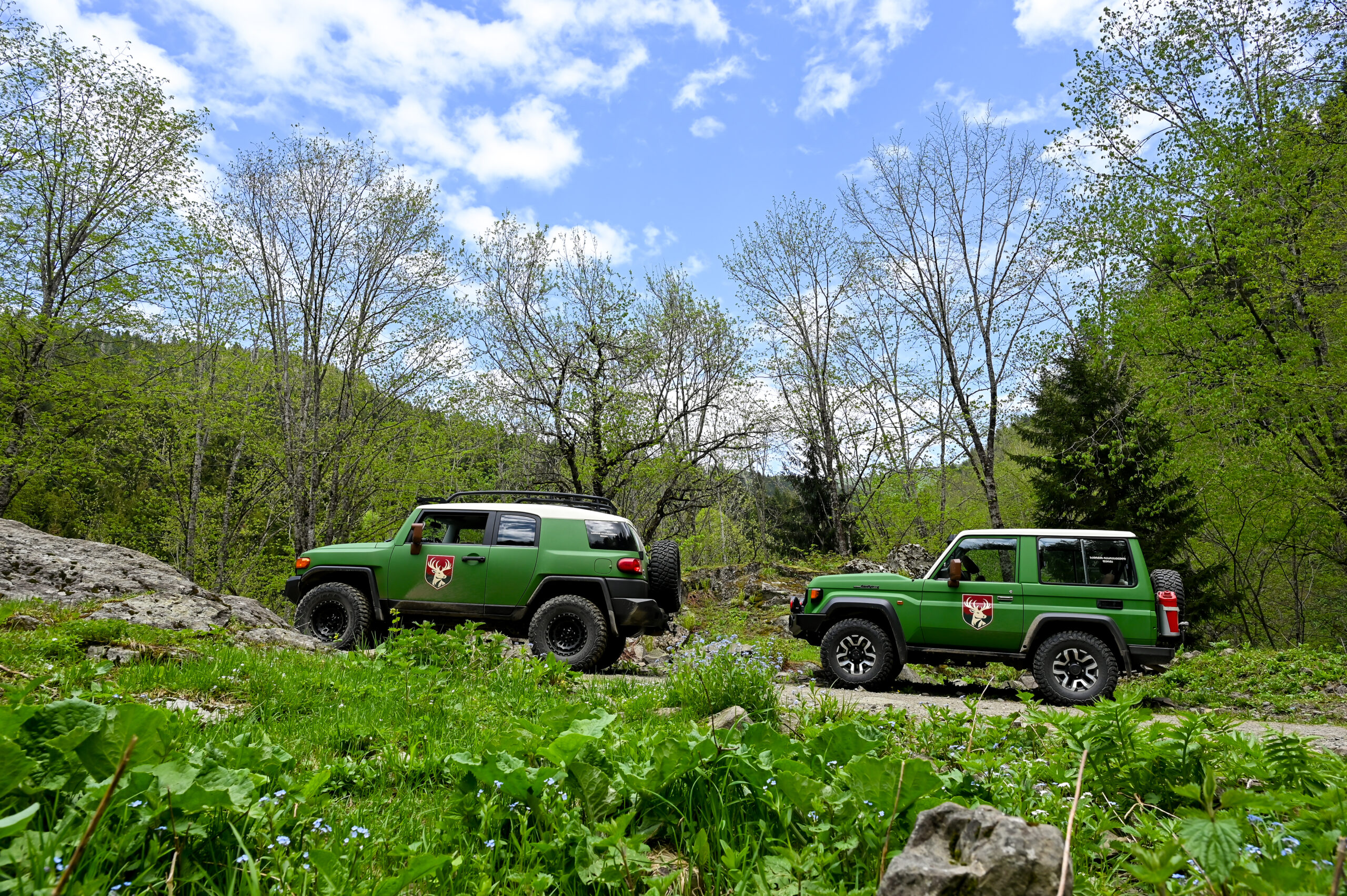
It is noteworthy that an investment of 700,000 GEL has already been made in the Sairme Recreational Farm project this year. As part of the initiative, six rangers and one specialist have been employed. They have been provided with four off-road vehicles, two buggies, two snowmobiles, and two horses to support their work in the field.
Additionally, 25 camera traps have been installed across the area, with plans to triple that number soon. A high-quality drone has also been purchased for enhanced environmental monitoring.
Within the framework of the project, approximately 30,000 trout eggs at the eye stage have been released into one of the tributaries of the Tsablari River, supporting aquatic ecosystem restoration.
Importantly, local residents will retain their right to use the forest and continue engaging in all legally permitted activities within the territory. This ensures that the project develops in harmony with the needs and rights of the local community.